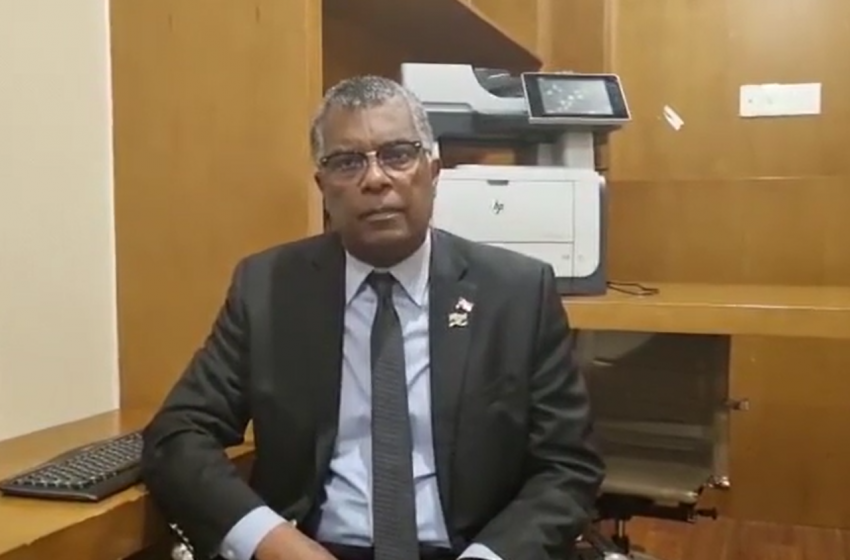
Fred Mitchell, Minister for the Public Service, welcomes participants at the symposium for public servants in Nassau on 19 January 2023.
Tag: servants
-

THE CRY OF THE PUBLIC SERVANTS
If you read the correspondence of public servants about their jobs, pay and conditions of service, you would get the impression that this is a deeply unhappy lot. They seem dissatisfied in the extreme. The deluge of complaints since the PLP came to power about promotions, transfers and the lack of a higher salary would make you wanna holler throw up both your hands. The problem is also that the new government is expected to fix these lifelong problems in the six weeks that they have been in office. Further, everyone has the mantra that they were victimized by the FNM and as a result the were not transferred or not promoted or fired from their jobs. In many cases that is not the case at all. There were good and justifiable reasons for what happened. It is an argument, however, that cannot be won. We want to encourage those in charge of the Ministry of the Public Service to do the best they can in what is essentially a thankless job. The FNM must carry the blame for a lot of this. For example, why were the people in immigration hired in 2014, 2016 and 2017 not confirmed from their trainee positions during the FNMs time? They were just done last week and there are some 100 still outstanding. Shame on them.
-

Andrew Allen Writes In Answer To Laying Off The Public Servants
26 May 2020
Dear Editor,
According to the Tribune of May 19, 2020, a group calling itself the Organisation for Responsible Governance (ORG) apparently sees it as quite responsible that a country that runs itself on revenues representing a mere 18 percent of Gross Domestic Product (among the lowest on the planet) and that derives the bulk (more than 70 percent) of these revenues from taxes that disproportionately impact the poor while exempting wealthier residents from worldwide norms of taxation on income, capital gains and property, should respond to the resulting fiscal imbalance by further downsizing the public sector.
Yet, again, the message seems clear: we need tough, bitter, radical change – so long as it doesn’t touch us!
Rather than simply reporting such views (and thereby giving them a respectability that they do not deserve), the Bahamian media should at least concern itself with presenting them in the wider context outlined above and possibly even ask questions about who funds them and whether the special interests that would benefit from their implementation are representative in any way of the broader public good.
— Andrew Allen