
When Bondage Becomes Familiar
ABAGAIL CARTWRIGHT OF DEAN’S BLUE HOLE
The worst type of bondage is not knowing you are in bondage.
Bob Marley urged us to “emancipate yourselves from mental slavery.” I recently listened to a lecture by Dr. Ralph Gonsalves, former Prime Minister of St. Vincent and the Grenadines, where he discussed reparations, and it reminded me that political independence does not automatically free the mind.
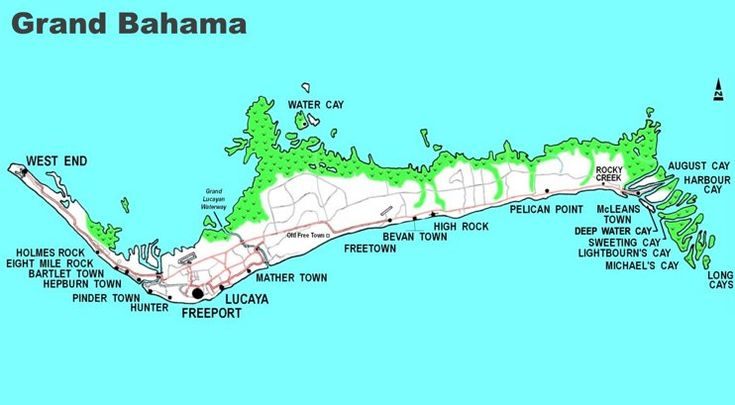
The response to Prime Minister Davis’s Grand Bahama address last week raises a troubling question: have we achieved independence without freeing ourselves from a colonial mindset?
Freeport is not a failed city. It knows prosperity. But past success cannot excuse arrangements that no longer deliver enough opportunity. A father who recognizes that one child needs greater attention does not abandon him; he intervenes.
Prime Minister Davis intervened.
Davis’s speech was progressive. Its promise lies in clearer authority, public accountability, and incentives reaching beyond Freeport. Properly implemented, those changes could reduce uncertainty and widen economic opportunity.
In response, Michael Pintard wants accountability from both government and the Port Authority. Fair enough. But what specific reforms will he support? Will he ever stand on the side of his constituents in Marco City?
Former GB Port Authority executive, Dillon Knowles, fears damage to investor confidence.
Other critics fear delayed investment, disruption of existing contractual rights and concessions becoming subject to government discretion. Those concerns are legitimate and deserve answers, but Davis has promised lawful reform and protection of lawful rights; consultation must test those assurances.
Could these criticisms reflect a political version of Stockholm syndrome—defending a familiar system that no longer works while viewing proposed change as the greater threat? When the prospect of reform provokes more outrage than years of unmet potential, we must ask whether familiarity has become a form of bondage.
The Hawksbill Creek Agreement’s time has come and gone.
When consultations open on November 1, Grand Bahamians should demand enforceable protections, measurable benefits and a meaningful, robust voice.
Will we protect familiar arrangements, or secure greater opportunity for the next generation?
The next generation deserves to inherit Freeport’s potential, not our fear of setting it free.
-Abigail Cartwright