
The Theatre of the Ballot
The Theatre of the Ballot
When Rhetoric Eclipses Reason
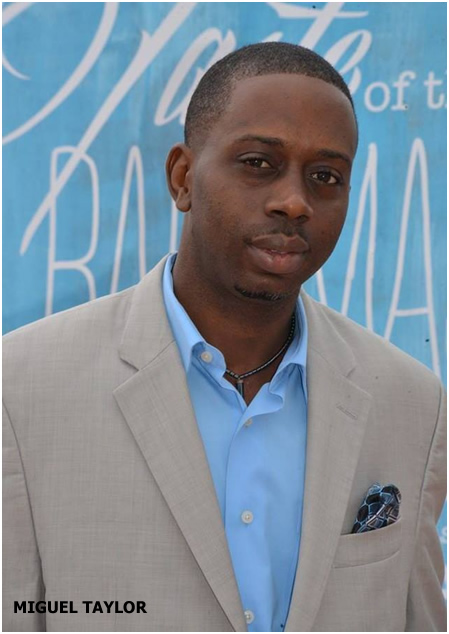
A short essay by Miguel Taylor
The atmosphere in The Bahamas is currently thick with a familiar, electric tension. As May 12 approaches, the airwaves and street corners have become a battlefield of words where the Progressive Liberal Party and the Free National Movement engage in their perennial dance for dominance. In the periphery, the Coalition of Independents adds a new layer to the traditional discord. Yet, beneath the flags and the rallies lies a sobering reality: the unsettling correlation between empty rhetoric and the ballot box.
We are witnessing a season where sensationalism has become the primary currency of persuasion. It is a stark truth that many voters fall prey to assertions offered without a shred of verifiable evidence. In this environment, the louder the shout, the truer the claim seems to become. This is exacerbated by a prevailing political tribalism that acts as a sensory filter. For many, loyalty to a colour or a symbol creates a deliberate inability to acknowledge even the most visible successes of the state.
who oppose the government. The cynical mind rejects the possibility of coincidence, preferring the comfort of a conspiracy over the nuance of a timeline.
This tribalism ensures that logic is the first casualty of the campaign trail. Those who oppose the governing party often find themselves in a position where admitting to a positive outcome feels like a betrayal of their sect. It is a tragedy of perception. When a road is paved, a building is built or a policy bears fruit, the benefit is national, yet the interpretation remains strictly partisan.
This is the great evil of our democratic process. We have allowed ourselves to be governed by the gut rather than the brain. When rhetoric is accepted as fact without scrutiny, the ballot box ceases to be a tool for progress and becomes a mirror for our own biases. To move forward, we must demand a higher standard of discourse. We must look past the performance and examine the process. If we continue to reward the most provocative tongue instead of the most proven plan, in this instance, progress, we remain trapped in a cycle where the truth is optional and the future is a secondary concern.