
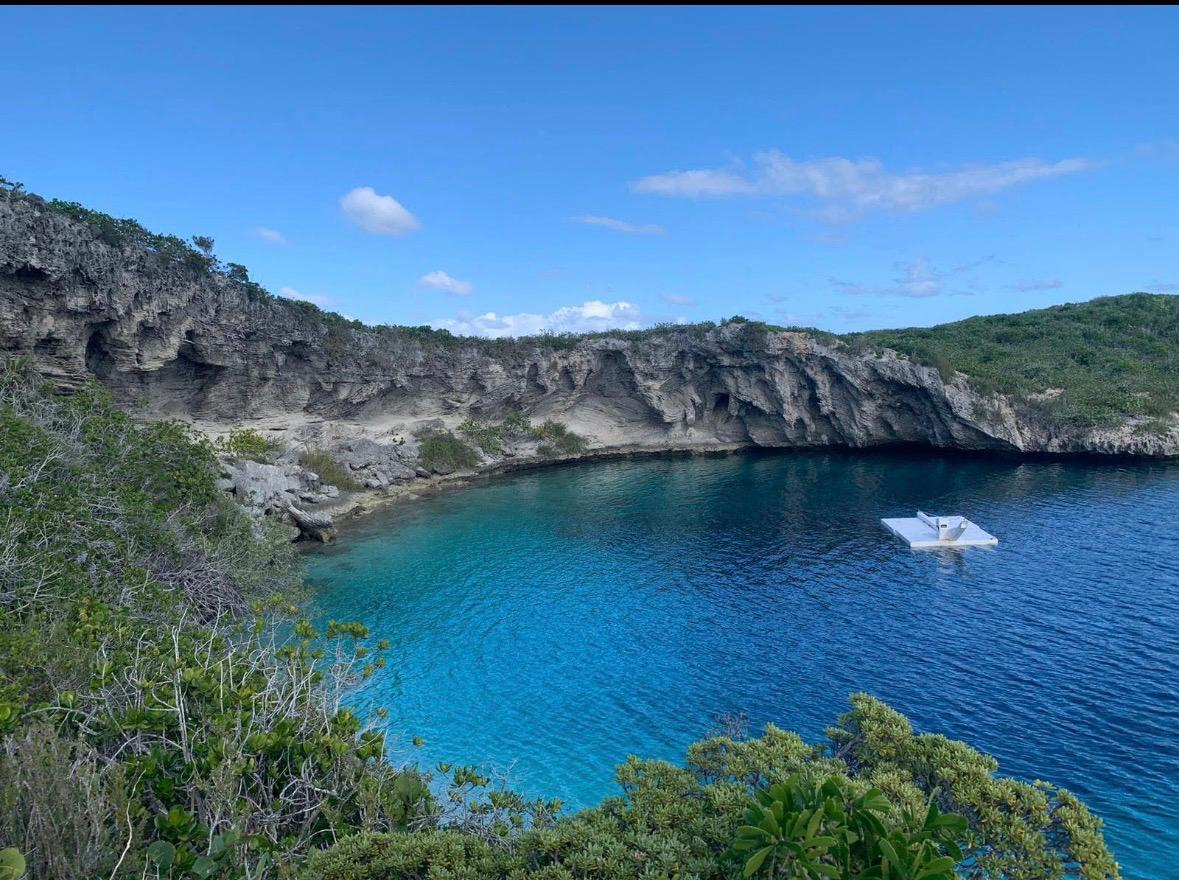
FROM THE DEAN’S BLUE HOLE: WHO IS QUALIFIED TO LEAD
by Abigail Cartwright
The Way I See it – Part 1
By Abigail Cartwright
The Bahamas stands once again at the threshold of a general election. This election is not simply
about party colors or personalities. It is about leadership in an increasingly volatile world.
For Bahamians, the choice before us is not an emotional one. It must be an analytical one. Small
developing states like ours do not have the luxury to experiment with politics or leadership.
Regional instability, global economic shifts, trade wars, illegal immigration, maritime security
threats, climate vulnerability, and transnational crime all press against our borders. Tourism,
financial services, and investment confidence depend on steady hands and credibility. The next
five years will demand experience, discipline, and proven competence.
This election ultimately hinges on one central question: Who is most qualified to lead The
Bahamas through complexities and uncertainties?
Mr. Pintard, for all his eloquence and public presence, has built his brand on obsessive
opposition to everything the PLP does coupled with allegations of corruption, rather than
articulating a clear vision. His political posture has consistently been on the wrong side of
significant national issues—opposing increases in the minimum wage, resisting accountability
from the Grand Bahama Port Authority, criticizing energy reforms, and questioning social
programs such as the school breakfast program. Yet, beyond criticism, where is his party’s
roadmap for the future?
Leadership is not a performance. It is negotiation, diplomacy, and measurable achievement.
When he had the opportunity, Mr. Pintard did not negotiate any international deals,
transformative legislation, or diplomatic wins that can inspire any semblance of confidence in
him. Internal party fractures which sidelined long-time supporters, two by-election loses, and the
absence of a clearly articulated national strategy raise serious questions about his readiness to
lead our country. In a world defined by geopolitical tension and economic downfalls, The
Bahamas cannot afford leadership that is incompetent, unprepared, and fragmented.
On another front stands Lincoln Bain, whose rhetoric resonates, but his political theatre thrives
on outrage—allegations of corruption, alarmist narratives about sovereignty, and emotionally
charged messaging around immigration. Governance requires more than protest, name-calling,
defiance, and grandstanding. It demands discipline, an understanding of the way the government
works, economic literacy, and a sound concept of how policies are made.
In contrast, Prime Minister Philip Davis inherited a nation in crisis in September 2021. Tourism
was crippled by a global pandemic. Businesses were closing. Education was disrupted.
Government revenues were strained. Confidence—both domestic and international—was fragile.
Measured against that backdrop, his record speaks clearly.
The tourism numbers are increasing, restoring employment and foreign exchange. Infrastructure
upgrades are seen across the Family Islands—airports, clinics, roads—are revitalizing
communities long overlooked. The minimum wage increased from $210 to $260, offering
economic relief to working families. VAT reductions on essential food items are designed to
ease the cost-of-living burden. Major investments (in the billions) have been secured, which will
inject capital into the economy. Ground has been broken for critical projects in Grand Bahama,
including a new healthcare facility and an airport. Apprenticeship programs and expansion at
BTVI are strengthening workforce readiness. On the global stage, The Bahamas has become a
credible voice in climate negotiations and renewable energy discussions—issues that directly
affect our survival as a small developing nation.
Is the work complete? No. Violent crime remains a pressing concern. Escalating inflation and
worsening affordability are placing severe financial strain on households and demand immediate,
decisive solutions from the government. We are in a healthcare emergency, one that can
destabilize other critical sectors. Yet what distinguishes effective leadership is not the denial of
problems but the capacity to acknowledge them and confront them.
Prime Minister Davis has demonstrated sober, steady governance, and steadiness inspires the
confidence of investors and citizen alike.
Elections are not referendums on perfection. They are choices about foresight and progression.
The Bahamas today is not on its knees; it is rebuilding, recalibrating, and advancing. Momentum
exists. Infrastructure is expanding. Social protections are strengthening. International credibility
is intact.
The way I see it is that The Bahamas needs steady hands, diplomatic maturity, competent
leadership, and strategic foresight. It needs leadership that has been tested by crisis and marked
by progress.
It needs Philip ‘Brave’ Davis.