
When the Mirror Becomes the Enemy
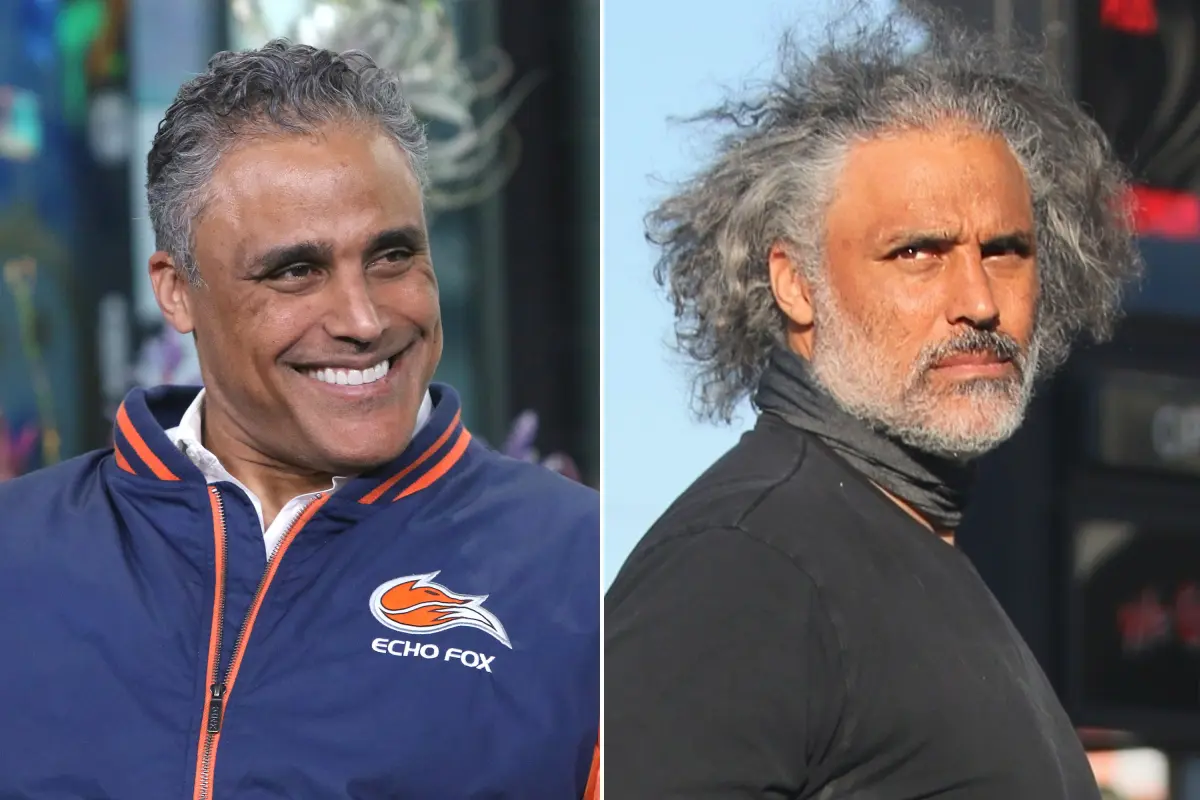
When I first heard that Senator Rick Fox had declared his intention to seek a leadership position in the FNM, I thought it was a joke or “fake news.”
While Fox is entitled to pursue leadership within his party, several competing theories interrupted my analysis of this revelation.
Could someone with significant influence within the FNM be encouraging his candidacy to challenge the leadership? Is this a genuine leadership ambition or another manifestation of the party’s internal struggles?
Fox’s political experience is limited to an unsuccessful general election campaign and his recent appointment to the Senate. Whether that experience is sufficient for party leadership itself deserves scrutiny.
I must acknowledge,however, that Fox appears to have taken some advice we offered in an earlier column. He has cut his hair, shaved his beard, and adopted a more polished appearance. I suppose that is progress. But while a haircut and a clean shave may change one’s appearance, they do not necessarily establish one’s political credentials or political substance.
A few weeks ago, I argued that the FNM’s problem is not simply its leadership. The FNM does not have a bench. It has struggled to cultivate a cadre of young talent and prepare the next generation because its messaging is not attracting new members.
Britain’s Labour Party offers an instructive example. Following repeated electoral defeats, including its devastating 2019 loss under Jeremy Corbyn, Labour underwent significant leadership, organizational and messaging changes under Keir Starmer. It returned to government in 2024 after 14 years in opposition. The point here is substantive work was done internally to rebrand the party – not merely a leadership change.
Almost six months after its decisive defeat, the FNM finally convened a conclave last week. Yet, leaked accounts revealed some disagreements over findings presented by international political consultants. Even the diagnosis appears contested.
The FNM has five years to confront its organizational weaknesses, rebuild its political machinery, rebrand its message, and develop credible leadership. Otherwise, it will remain in Opposition for many more election cycles.
But how does a party even begin to rebuild when its members cannot agree, or seemingly, will not admit what destroyed it?
-Abigail Cartwright