
Don’t Let a Tariff Go to Waste
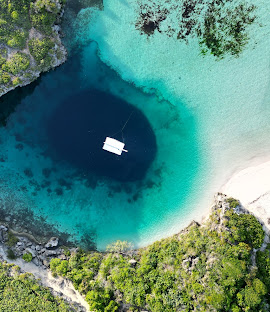
ABAGAIL CARTWRIGHT’S DEAN’S BLUE HOLE
For years, we have described The Bahamas as a tourism-driven economy. While that is true, we sometimes overlook another important part of our economy—our exports.
Last week, the United States announced a 12.5% tariff on certain Bahamian exports entering its market. The Bahamas exports products such as lobster, conch and other seafood, industrial salt, rum, pharmaceuticals, chemicals and manufactured goods.
The United States remains our principal trading partner and the primary destination for many of our exports. It is also the source of more than 83% of the goods imported into The Bahamas, underscoring just how closely our economies are linked.
Whether this tariff has a significant long-term impact remains to be seen. However, it should remind us of an important lesson: no country should become too dependent on a single market.
Diversification is economic insurance. If one market becomes more expensive or difficult to access, our producers should already have other doors open. CARICOM offers opportunities to strengthen regional trade. Africa’s rapidly growing economies and Latin America’s proximity present markets that deserve greater attention.
At the same time, we must become more intentional about what we produce at home. Every head of lettuce, carton of eggs, bottle of juice or locally manufactured product that replaces an import keeps more money circulating in our own economy. Food security is no longer just an agricultural issue; it is an economic and national security issue.
Sometimes challenges become opportunities in disguise. Perhaps this tariff is more than a trade story. Perhaps it is another reminder that The Bahamas must produce more, import less and continue building an economy that is stronger, more resilient and less dependent on any one market.